When agile teams stop performing progress…

When Agile drifts towards control rather than responsiveness, it is easy to turn Scrum events into performances.

Safe. Polished. Predictable. But quietly useless.

I saw this first-hand when I started as a Scrum Master in a new organisation.

I ran our Sprint Reviews as real conversations, not controlled presentations – and that shift towards openness and responsiveness was genuinely liberating for the team.

Continue reading When agile teams stop performing progress…

What Scrum Masters do when they ‘do nothing’

There are moments in Scrum Mastery where it looks like they’re doing very little.

They’re quiet in a meeting.
They don’t jump in to fix a problem.
They let a conversation run longer than feels comfortable.

From the outside, it can look like inaction.
From the inside, it’s some of the most deliberate work they do.

Continue reading What Scrum Masters do when they ‘do nothing’

Scrum Master as systems steward, not process police

The common misunderstanding

One of the most persistent misunderstandings about the Scrum Master role is that it exists to enforce process.

  • Ceremonies must happen.
  • Rules must be followed.
  • Frameworks must be complied with.

Seen this way, the Scrum Master becomes a kind of process police officer – checking attendance, correcting behaviour and reminding people what Scrum says should happen.

But that framing misses the point of the role entirely.
Scrum does not exist to be obeyed.

It exists to help teams work effectively in complexity.
And complexity does not respond well to enforcement.

Continue reading Scrum Master as systems steward, not process police

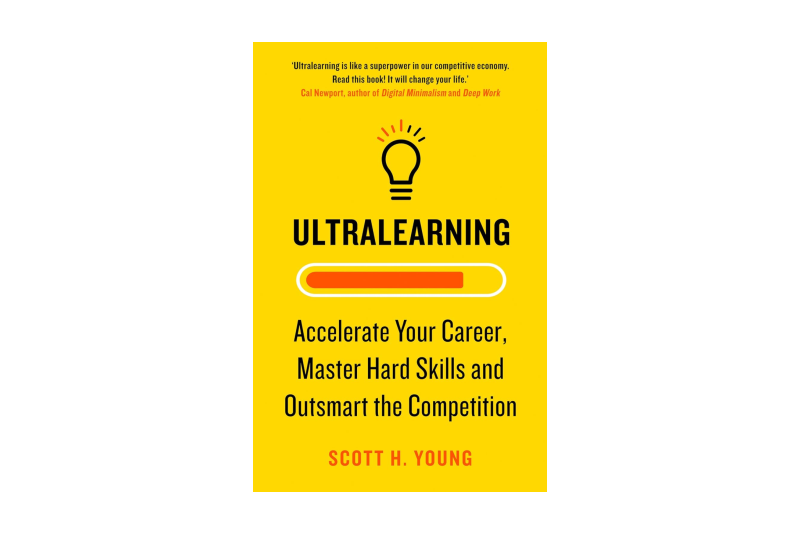
Book review: Ultralearning by Scott H Young

Ultralearning by Scott H Young

Last week I returned to a book that I read four years ago, Ultralearning by Scott H Young.

In the book Young outlines an approach he claims can help anyone learn anything deeply and quickly.

With life continuing at such an incredible pace and technology changing all the time, I bought this book hoping that it might give me some insights into how to learn Spanish faster, learn the latest additions to CSS faster, learn… well, anything faster.

Continue reading Book review: Ultralearning by Scott H Young

Shu ha ri—three stages towards agile maturity

“Scrum has its roots in Japanese thought and practice”, Jeff Sutherland, the co-creator of Scrum, tells us in his book Scrum: the art of doing twice the work in half the time (Random House, 2014), p.38.

One of the ideas that Scrum has drawn on is the Japanese martial art concept of shu ha ri (or shuhari) which outlines three stages of learning towards mastery.

Over the last few years, I have found this a really useful model to bear in mind when working with teams as they embrace and grow towards agility.

Continue reading Shu ha ri—three stages towards agile maturity